Supplement Formula
Designing Supplement Formulas with Daza Matrix
-
With Daza Matrix, you can scientifically and efficiently design supplement formulas for any disease or health goal.
-
Daza Matrix can identify the most effective species and supplements from over 2 million global species and more than 100,000 types of supplements worldwide. It further builds a customized Formula Pool based on your selections from the identified species and supplements, and generates the final, complete formula from the Formula Pool.
-
The Daza Matrix has five core advantages:
-
1. It is the world’s only AI-Powered Supplement Formula Design System fully based on PubMed medical literature.
2. Global holistic perspective. When searching for effective ingredients targeting diseases or health goals, it covers all global species and global supplements with an extremely broad holistic vision, unlike the limited perspective of large language models.
3. Elimination of hallucinations. By adopting the integrated solution of CNN + NLP + Domain-Specific NLP + LLM, it completely solves the three core defects of pure large language models: hallucinations, randomness and mediocre generic outputs.
4. Revolutionary efficiency improvement. Compared with Standard Biomedical NLP and manual processing, the Daza Matrix increases the analysis efficiency of medical literature by 1,500 to 4,000 times.
5. Easy to operate. The whole process of effective ingredient screening and formula design is intuitive, convenient and user-friendly. Both professional users and the general public can master it with ease.
Some readers may not know what PubMed is, so we will give a brief introduction first. PubMed is the world’s largest and most authoritative biomedical literature database. It is the most frequently visited platform by global doctors, nutritionists and health managers, serving as a direct access to the latest global medical research evidence and a professional academic knowledge base. PubMed only includes literature published in SCI journals, where SCI is the abbreviation of Science Citation Index. This means PubMed exclusively collects high-quality academic journals worldwide. There are more than 100,000 journals globally, among which only about 10,000 are SCI journals, accounting for roughly one-tenth of the total.
-
We will take designing a formula for gastric ulcer as an example to explain how to use the Daza Matrix.
-
Designing formulas with the Daza Matrix only requires five steps.
-
Design Gastric Ulcer Formulas with Daza Matrix
-
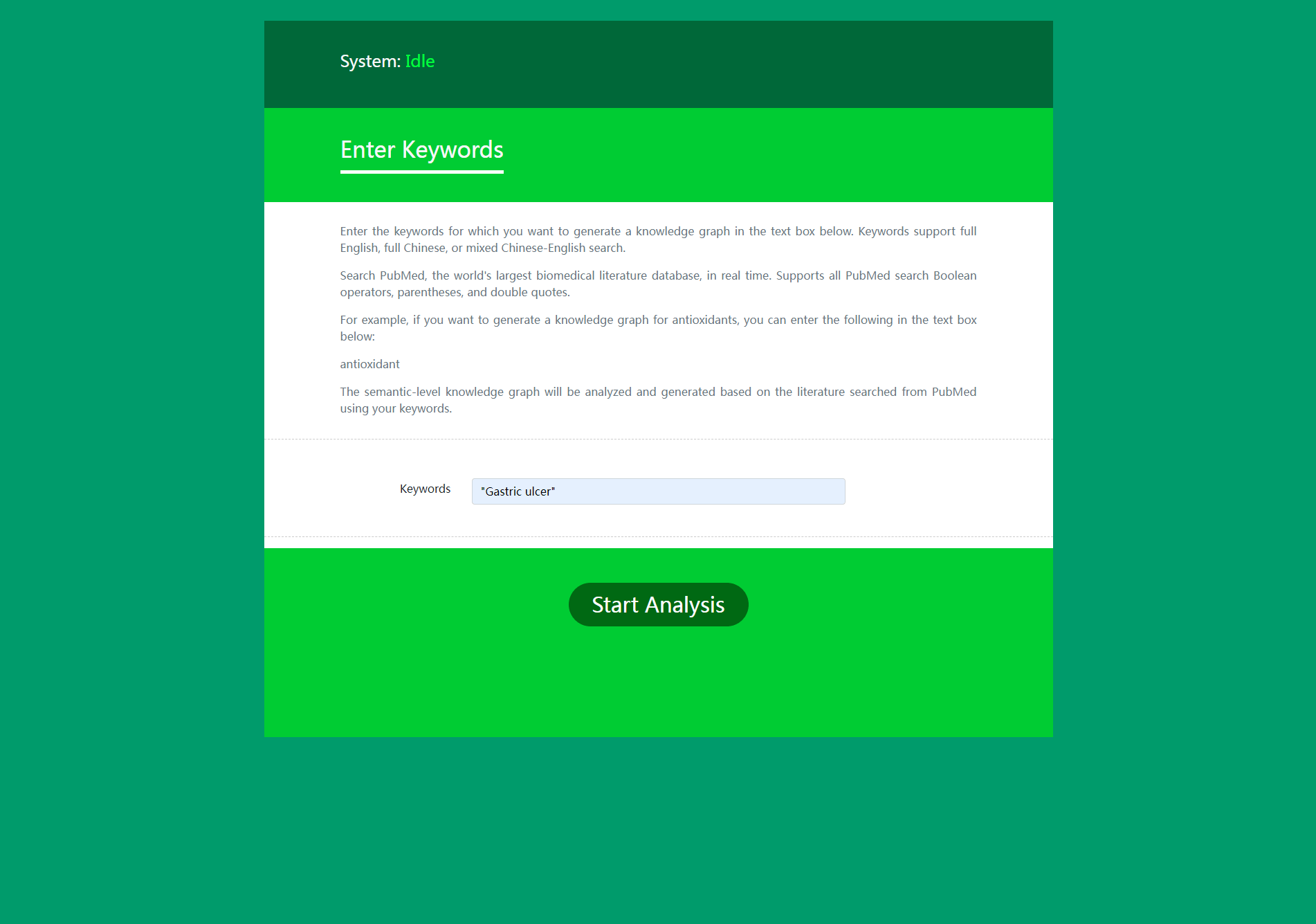
Step 1: Enter keywords of the disease or health goal.
-
Here we enter "gastric ulcer"
-
-
Step 2: Click to extract and analyze data for each batch. Semantic-level Word Frequency Value sorting will automatically identify species and supplements closely related to your target disease or health goal.
-
All relevant literature retrieved by keywords — whether tens of thousands, over one hundred thousand, or even hundreds of thousands of articles — can be fully obtained. The Daza Matrix divides all literature to be acquired into batches of 2,000 articles each. The operation is simple: click Extract for each batch in sequence.
-

-
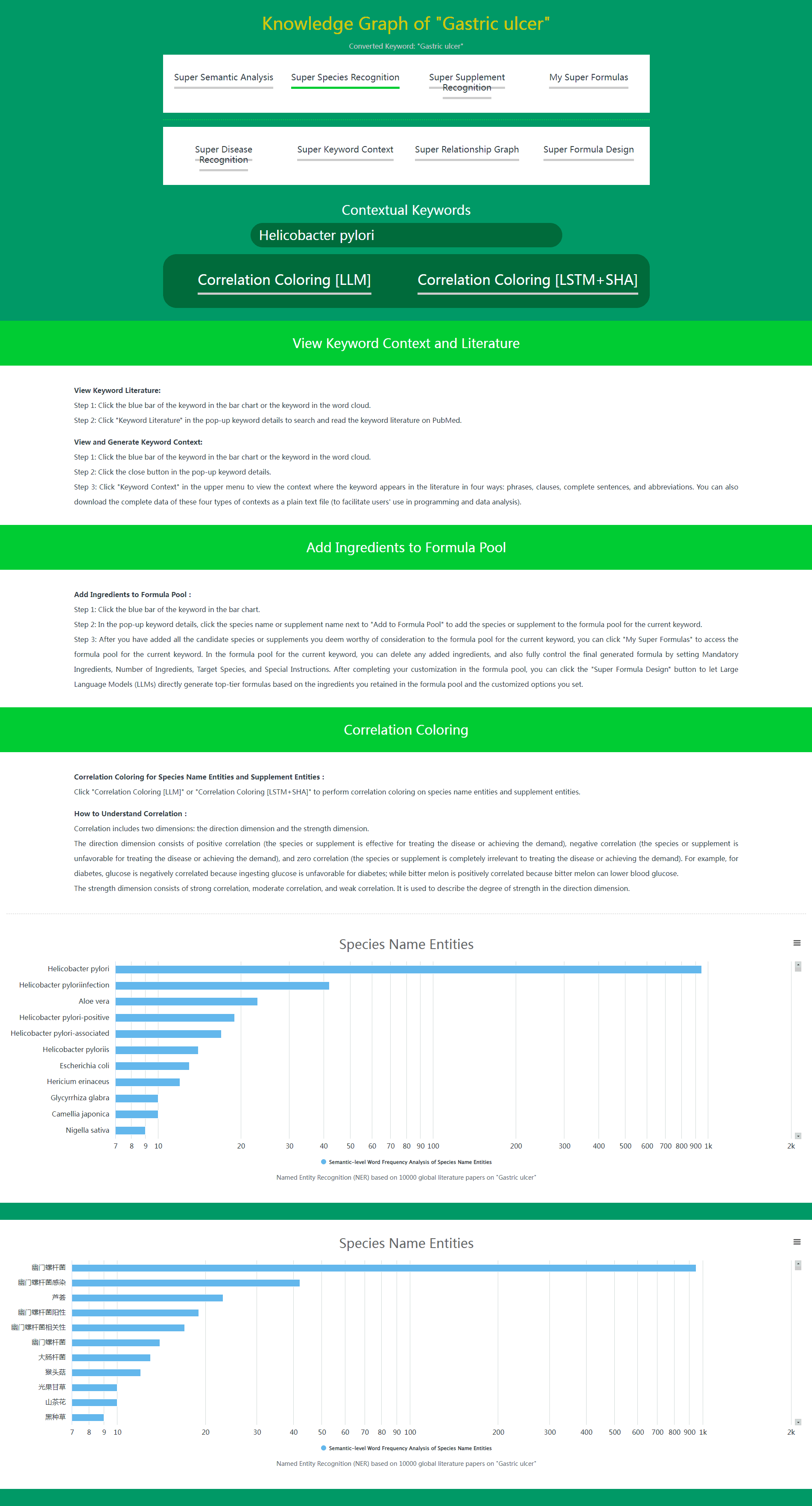
After finishing the extraction of all batches, click Species for each batch in turn. This will extract all species closely related to gastric ulcer identified from the 2,000 literature entries in each batch, and sort them by Semantic-level Word Frequency Value.
The Semantic-level Word Frequency Value of a species is a weighted result of multiple key factors including species word frequency, species proportion, Journal Impact Factor and literature type. The ranking based on this semantic-level word frequency value truly reflects the tightness of the correlation between each species and gastric ulcer.
-
-
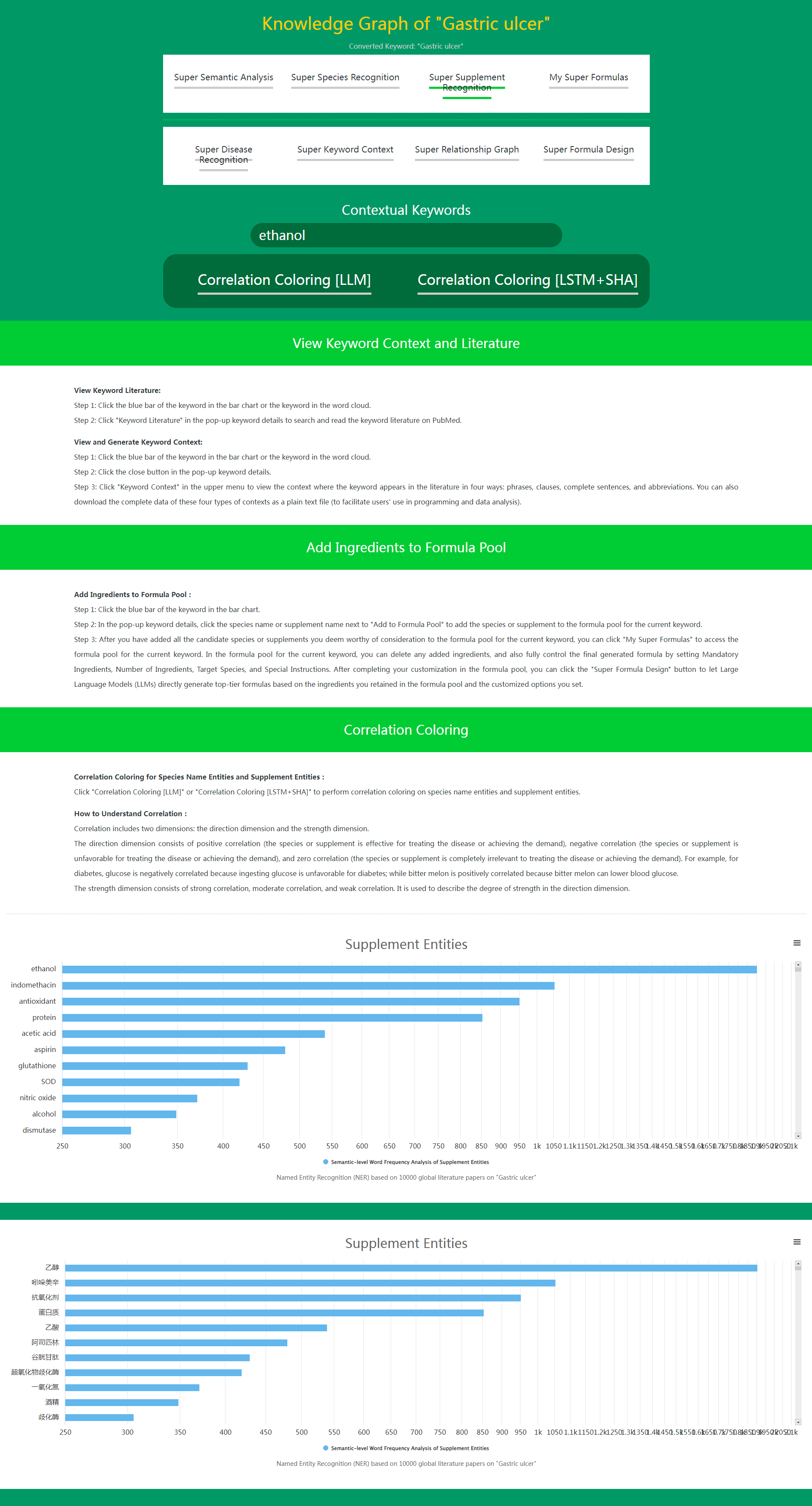
After completing species identification for all batches, click Supplements for each batch sequentially. This will extract all supplements closely associated with gastric ulcer identified from the 2,000 literature entries in each batch, and sort them by Semantic-level Word Frequency Value.
This correlation includes both positive correlations and negative correlations.
-
-
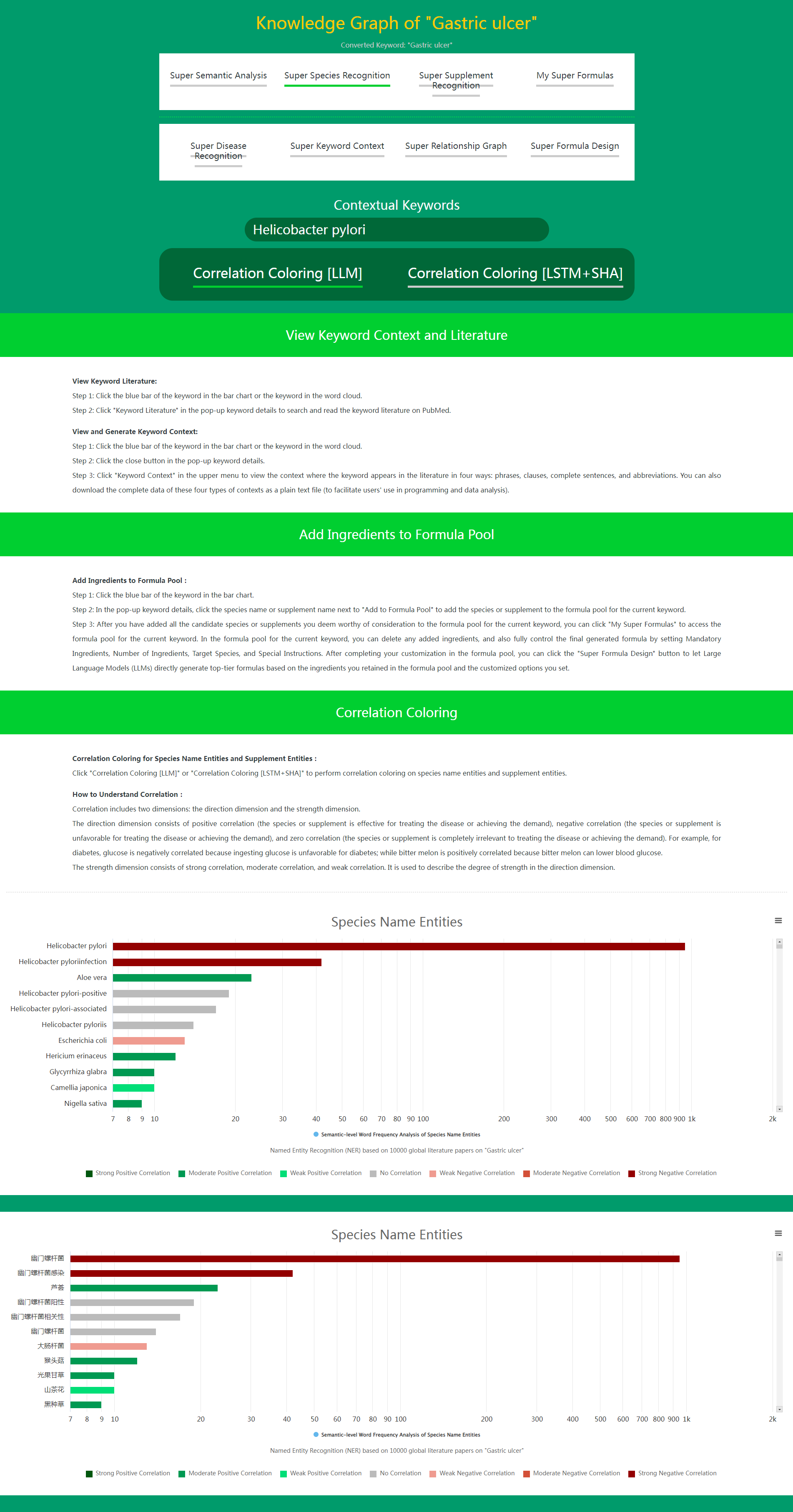
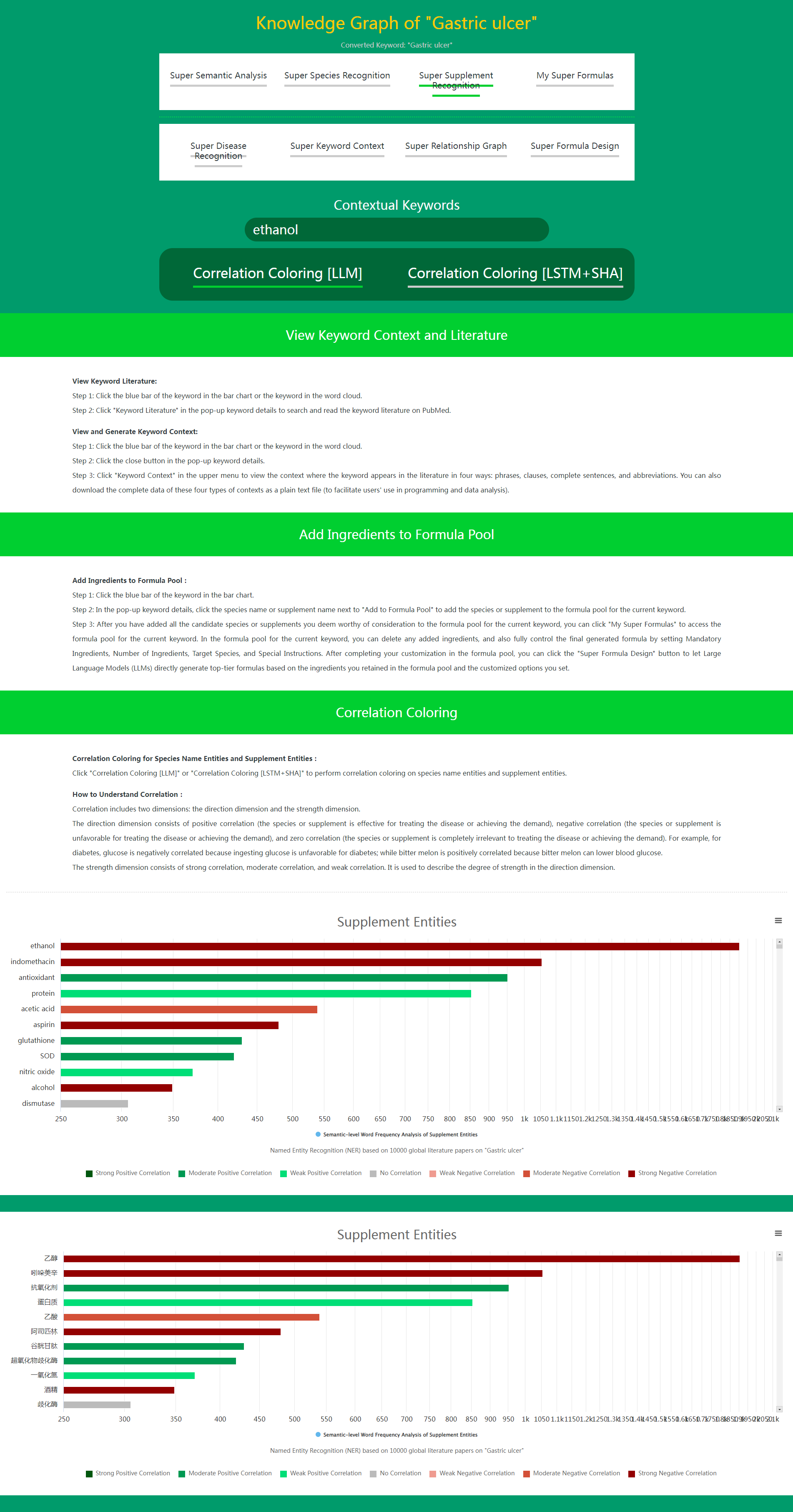
Step 3: Click Correlation Coloring to visually distinguish species and supplements with positive and negative correlations.
-
You can see every species is marked with green or reddish-brown in different shades.
Positive correlations (indicating effectiveness) are presented in three shades of green, while negative correlations (indicating adverse effects) are shown in three shades of reddish-brown. The deeper the color, the stronger the correlation intensity.
-
-
-
-
The combination of Semantic-level Word Frequency Value sorting and Correlation Coloring makes the most effective species for a specific disease or health goal stand out clearly at a glance.
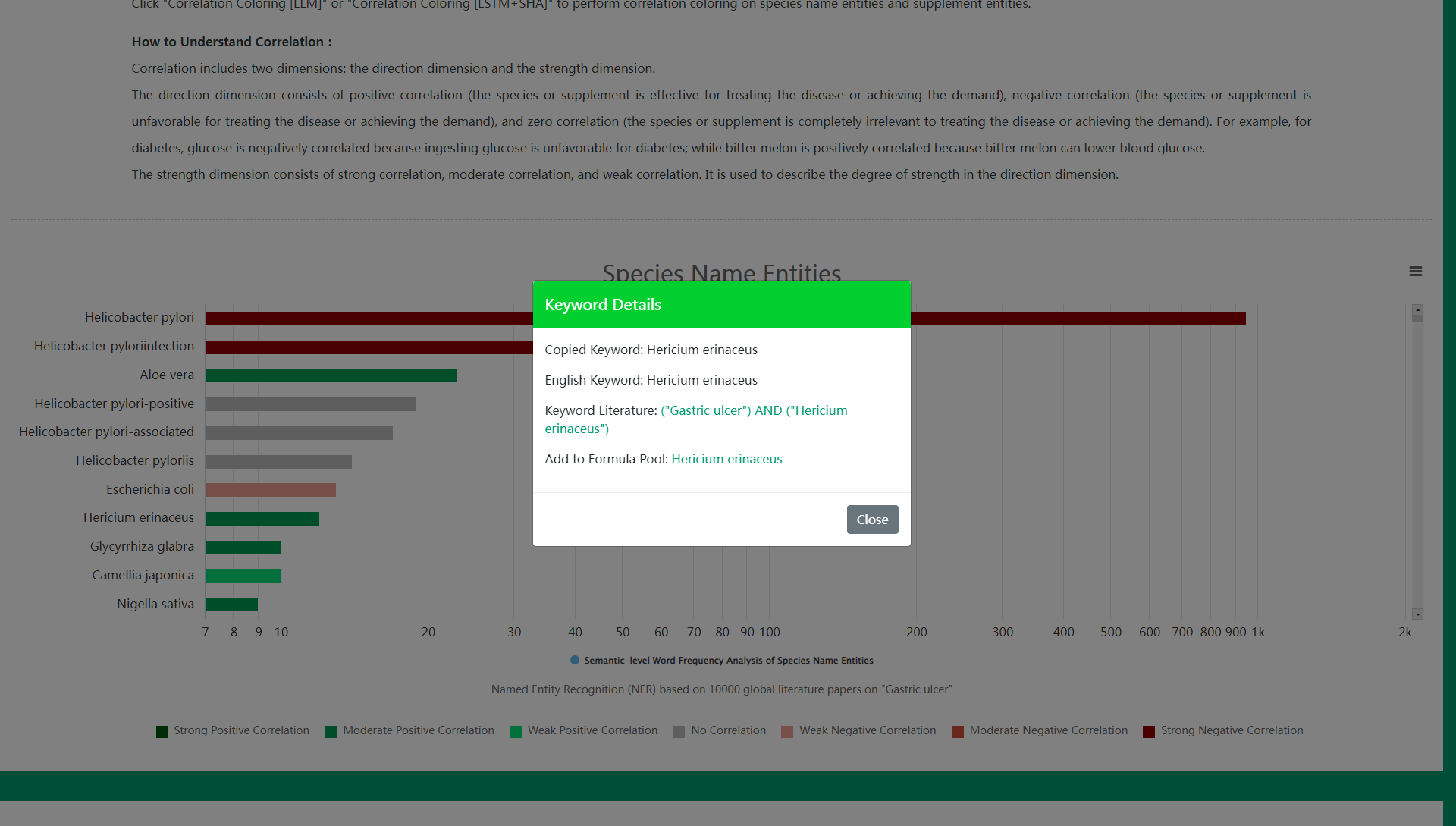
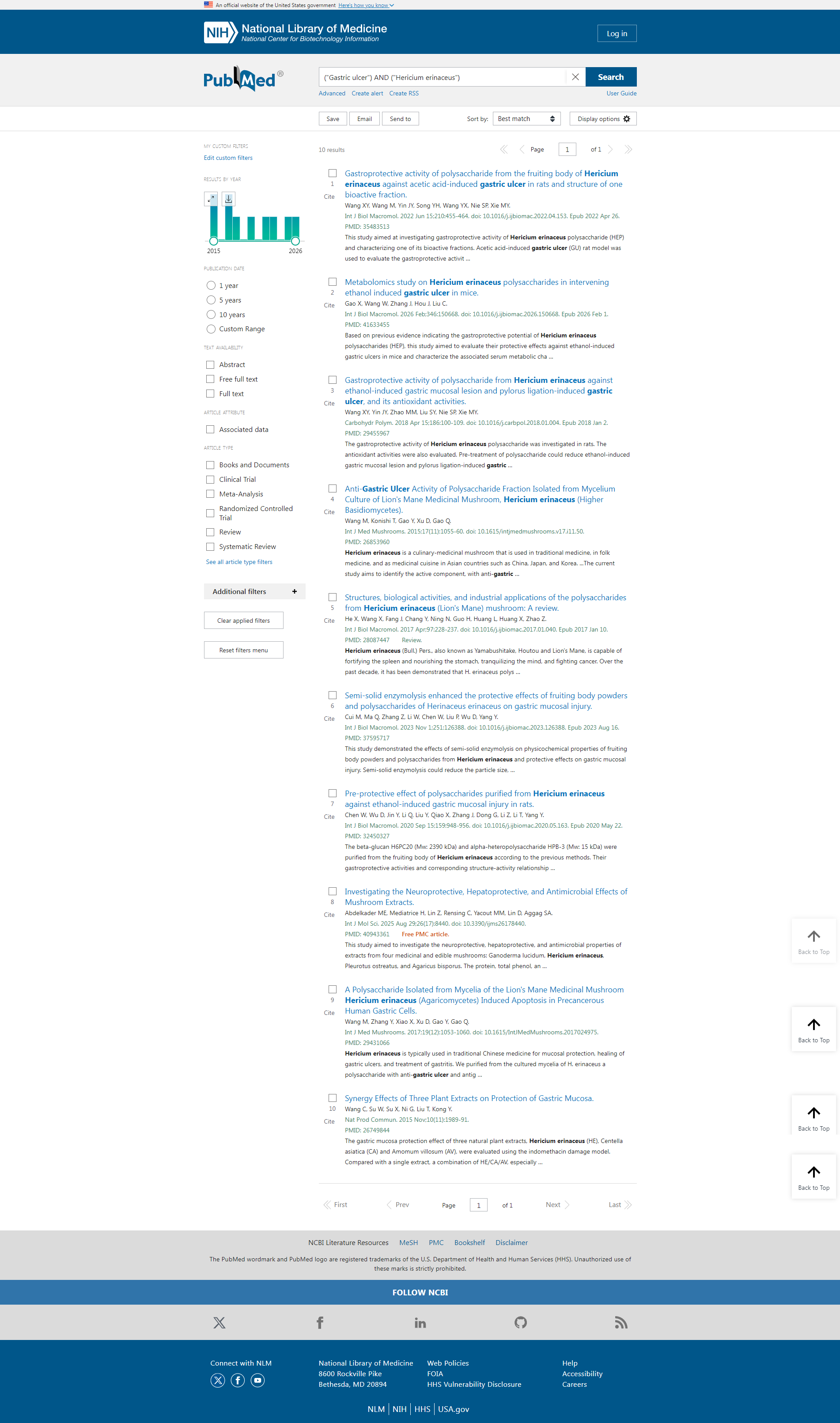
To see the specific effects of a given species or supplement on a disease, simply click on the species or supplement, then click Keyword Literature in the pop-up menu. You will then be able to view PubMed literature related to this species or supplement and your target disease or health goal.
-
-
-
-
Step 4: Add your preferred species and supplements to the Formula Pool. Then further customize the pool by specifying options such as Mandatory Ingredients and Number of Ingredients.
-
To add your preferred species to the customized Formula Pool, click on the species and select Add to Formula Pool in the pop-up dialog box.
-
-
After adding all candidate species you intend to use to the Formula Pool, add your preferred supplements to the pool in the same way.
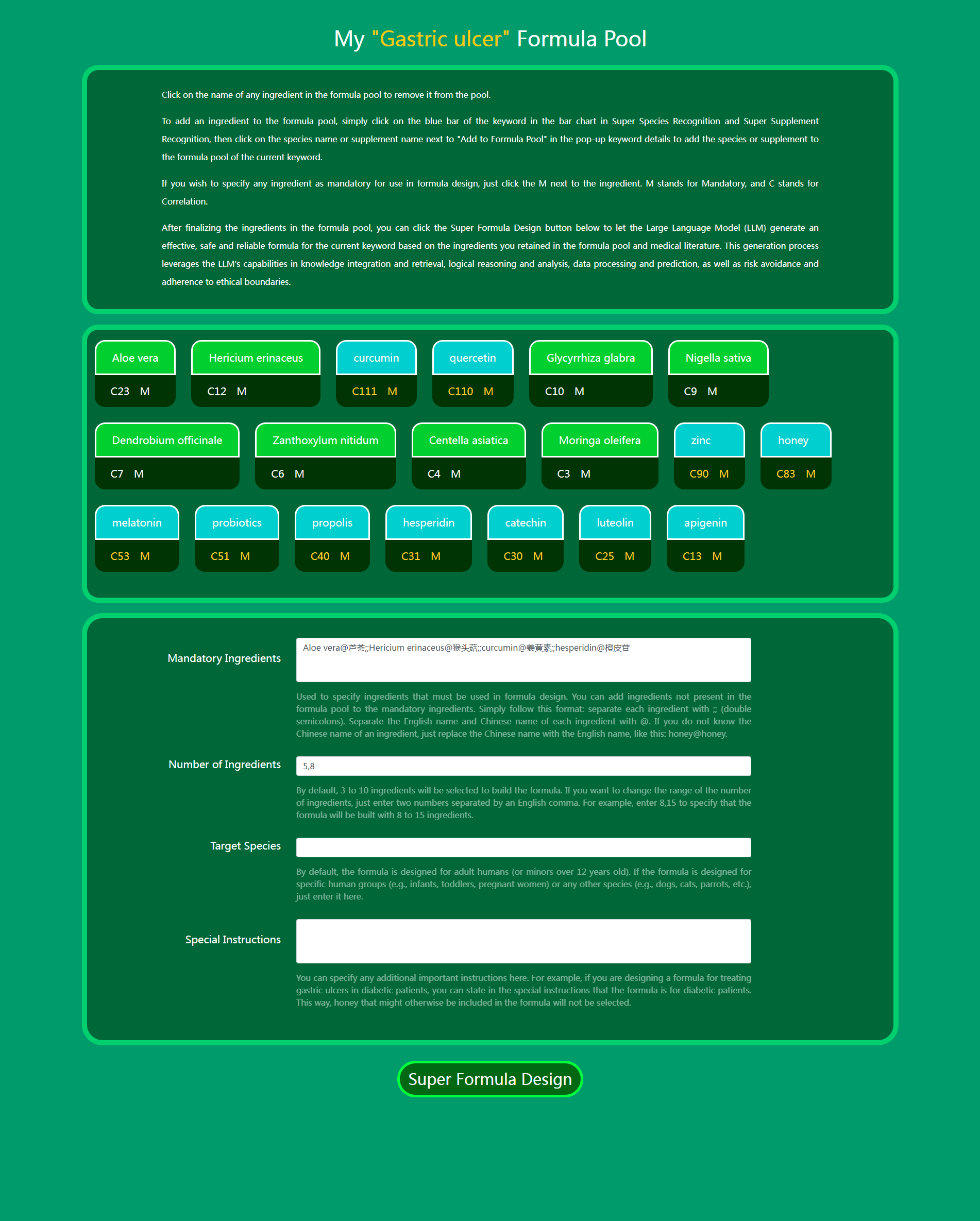
Your customized Formula Pool for gastric ulcer will display all added candidate species and supplements, with species marked in green and supplements marked in blue.
As you can see, the candidate species we have added to the Gastric Ulcer Formula Pool are: Aloe vera, Hericium erinaceus (Lion’s Mane Mushroom), Glycyrrhiza glabra (Licorice), Nigella sativa (Black Cumin), Dendrobium officinale, Zanthoxylum nitidum, Centella asiatica, and Moringa oleifera. The candidate supplements are: Curcumin, Quercetin, Zinc, Honey, Melatonin, Probiotics, Propolis, Hesperidin, Catechin, Luteolin, and Apigenin.
You can customize your gastric ulcer formula via four options in the Formula Pool: Mandatory Ingredients, Number of Ingredients, Target Species and Special Instructions.
-
-
Mandatory Ingredients: Used to specify ingredients that must be included in formula design. If an ingredient is highly effective and you require it to be indispensable in the formula, click the M next to the ingredient. In this gastric ulcer formula example, we set four Mandatory Ingredients: Aloe vera, Hericium erinaceus, curcumin, hesperidin.
Number of Ingredients: If no specific setting is made, 3 to 10 ingredients will be selected by default to form a formula. To adjust the quantity range, enter two comma-separated numbers as the lower and upper limits. For instance, entering 5,8 means the formula will adopt 5 to 8 ingredients.
Target Species: All formulas are designed by default for adult humans (or minors aged 12 and above). If a formula is for specific human groups (e.g., infants, young children, pregnant women) or other species (e.g., dogs, cats, parrots), fill in the relevant information here.
Special Instructions: You can add any additional important notes here. For example, if designing a gastric ulcer formula for diabetic patients, state this requirement in Special Instructions, so ingredients like honey that are unsuitable for diabetics will be excluded from the formula.
-
Step 5: The large language model will generate the ultimate complete formula based on your customized Formula Pool.
-
After completing all customizations in the Formula Pool, click the Super Formula Design button to enter the final stage of formula design. The large language model will generate the ultimate complete formula based on your customized Formula Pool.
Currently supports the world's top ten large language models: Claude-Opus-4.7, Claude-Opus-4.6-Thinking, GPT-5.5, GPT-5.4, Gemini-3.1-Pro-Preview, Gemini-3-Flash-Preview, DeepSeek-V4-Pro, DeepSeek-V4-Flash, Doubao-Seed-2.0-pro, Doubao-Seed-2.0-lite.
We will examine the final formulas generated by Doubao and Claude respectively. First, the large language model will conduct a secondary check to ensure that all species and supplements you add to the Formula Pool are indeed positively correlated ones. There are no severe antagonistic effects, toxic synergistic reactions or compatibility contraindications among the Mandatory Ingredients.
Then it will elaborate on the design ideas and logical rationale of the formula, illustrating how it treats the targeted disease or fulfills the corresponding health demand via multiple mechanisms. After that, it will present the detailed formula designed based on the above ideas and rationale. The model will pick one to two ingredients for each mechanism and pathway, explain the function of each ingredient in the formula, and provide its evidence level — which strictly follows the 2011 Oxford Centre for Evidence-Based Medicine Levels of Evidence — as well as the daily dosage and administration method of each ingredient. Moreover, this formula design fully complies with all your customization requirements set in the Formula Pool.
Next, it will elaborate in detail on the applicable population, contraindicated population and safety warnings of the formula. The final part is a comprehensive summary and overview of the entire formula design, where any special matters needing attention will also be clearly stated.
-
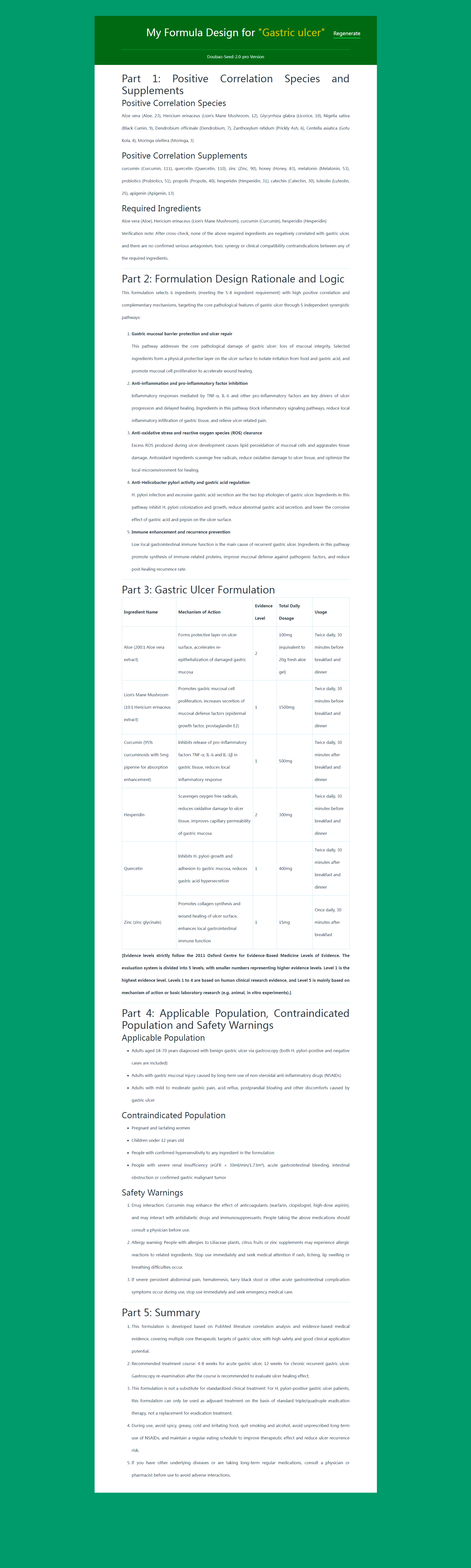
-
-
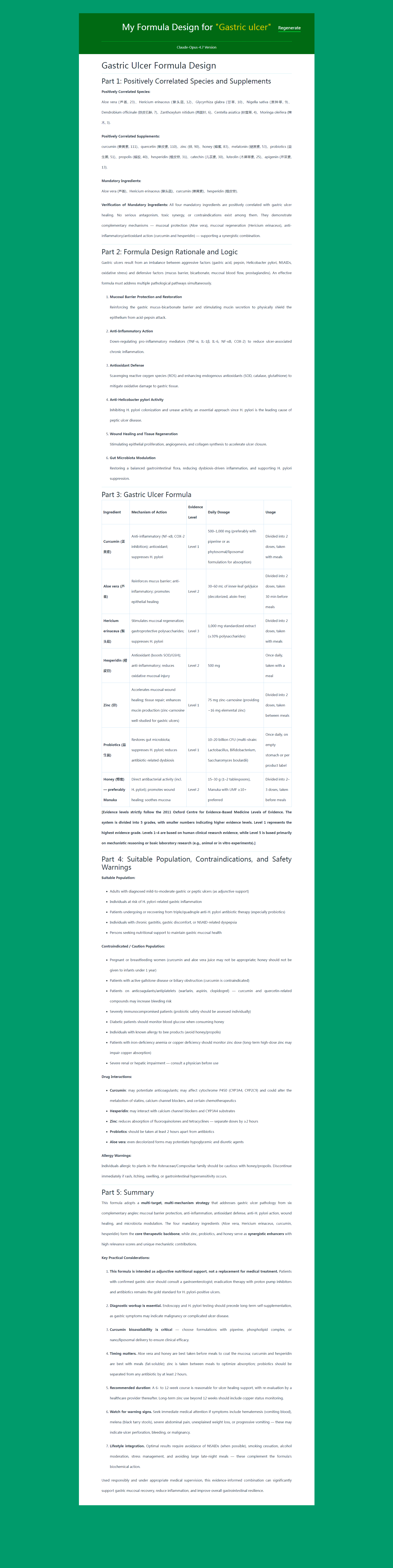
-
-
If you are not satisfied with the formula generated this time, you may click Regenerate in the top-right corner to generate a new one.
-
My Formula Design for "Gastric ulcer"
Claude-Opus-4.7 VersionGastric Ulcer Formula Design
Part 1: Positively Correlated Species and Supplements
Positively Correlated Species:
Aloe vera (芦荟, 23)、Hericium erinaceus (猴头菇, 12)、Glycyrrhiza glabra (甘草, 10)、Nigella sativa (黑种草, 9)、Dendrobium officinale (铁皮石斛, 7)、Zanthoxylum nitidum (两面针, 6)、Centella asiatica (积雪草, 4)、Moringa oleifera (辣木, 3).Positively Correlated Supplements:
curcumin (姜黄素, 111)、quercetin (槲皮素, 110)、zinc (锌, 90)、honey (蜂蜜, 83)、melatonin (褪黑素, 53)、probiotics (益生菌, 51)、propolis (蜂胶, 40)、hesperidin (橙皮苷, 31)、catechin (儿茶素, 30)、luteolin (木犀草素, 25)、apigenin (芹菜素, 13).Mandatory Ingredients:
Aloe vera (芦荟)、Hericium erinaceus (猴头菇)、curcumin (姜黄素)、hesperidin (橙皮苷).Verification of Mandatory Ingredients: All four mandatory ingredients are positively correlated with gastric ulcer healing. No serious antagonism, toxic synergy, or contraindications exist among them. They demonstrate complementary mechanisms — mucosal protection (Aloe vera), mucosal regeneration (Hericium erinaceus), anti-inflammatory/antioxidant action (curcumin and hesperidin) — supporting a synergistic combination.
Part 2: Formula Design Rationale and Logic
Gastric ulcers result from an imbalance between aggressive factors (gastric acid, pepsin, Helicobacter pylori, NSAIDs, oxidative stress) and defensive factors (mucus barrier, bicarbonate, mucosal blood flow, prostaglandins). An effective formula must address multiple pathological pathways simultaneously.
-
Mucosal Barrier Protection and Restoration
Reinforcing the gastric mucus-bicarbonate barrier and stimulating mucin secretion to physically shield the epithelium from acid-pepsin attack. -
Anti-Inflammatory Action
Down-regulating pro-inflammatory mediators (TNF-α, IL-1β, IL-6, NF-κB, COX-2) to reduce ulcer-associated chronic inflammation. -
Antioxidant Defense
Scavenging reactive oxygen species (ROS) and enhancing endogenous antioxidants (SOD, catalase, glutathione) to mitigate oxidative damage to gastric tissue. -
Anti-Helicobacter pylori Activity
Inhibiting H. pylori colonization and urease activity, an essential approach since H. pylori is the leading cause of peptic ulcer disease. -
Wound Healing and Tissue Regeneration
Stimulating epithelial proliferation, angiogenesis, and collagen synthesis to accelerate ulcer closure. -
Gut Microbiota Modulation
Restoring a balanced gastrointestinal flora, reducing dysbiosis-driven inflammation, and supporting H. pylori suppression.
Part 3: Gastric Ulcer Formula
Ingredient Mechanism of Action Evidence Level Daily Dosage Usage Curcumin (姜黄素) Anti-inflammatory (NF-κB, COX-2 inhibition); antioxidant; suppresses H. pylori Level 1 500–1,000 mg (preferably with piperine or as phytosomal/liposomal formulation for absorption) Divided into 2 doses, taken with meals Aloe vera (芦荟) Reinforces mucus barrier; anti-inflammatory; promotes epithelial healing Level 2 30–60 mL of inner-leaf gel/juice (decolorized, aloin-free) Divided into 2 doses, taken 30 min before meals Hericium erinaceus (猴头菇) Stimulates mucosal regeneration; gastroprotective polysaccharides; suppresses H. pylori Level 3 1,000 mg standardized extract (≥30% polysaccharides) Divided into 2 doses, taken with meals Hesperidin (橙皮苷) Antioxidant (boosts SOD/GSH); anti-inflammatory; reduces oxidative mucosal injury Level 2 500 mg Once daily, taken with a meal Zinc (锌) Accelerates mucosal wound healing; tissue repair; enhances mucin production (zinc-carnosine well-studied for gastric ulcers) Level 1 75 mg zinc-carnosine (providing ~16 mg elemental zinc) Divided into 2 doses, taken between meals Probiotics (益生菌) Restores gut microbiota; suppresses H. pylori; reduces antibiotic-related dysbiosis Level 1 10–20 billion CFU (multi-strain: Lactobacillus, Bifidobacterium, Saccharomyces boulardii) Once daily, on empty stomach or per product label Honey (蜂蜜) — preferably Manuka Direct antibacterial activity (incl. H. pylori); promotes wound healing; soothes mucosa Level 2 15–30 g (1–2 tablespoons), Manuka with UMF ≥10+ preferred Divided into 2–3 doses, taken before meals [Evidence levels strictly follow the 2011 Oxford Centre for Evidence-Based Medicine Levels of Evidence. The system is divided into 5 grades, with smaller numbers indicating higher evidence levels. Level 1 represents the highest evidence grade. Levels 1–4 are based on human clinical research evidence, while Level 5 is based primarily on mechanistic reasoning or basic laboratory research (e.g., animal or in vitro experiments).]
Part 4: Suitable Population, Contraindications, and Safety Warnings
Suitable Population:
- Adults with diagnosed mild-to-moderate gastric or peptic ulcers (as adjunctive support)
- Individuals at risk of H. pylori-related gastric inflammation
- Patients undergoing or recovering from triple/quadruple anti-H. pylori antibiotic therapy (especially probiotics)
- Individuals with chronic gastritis, gastric discomfort, or NSAID-related dyspepsia
- Persons seeking nutritional support to maintain gastric mucosal health
Contraindicated / Caution Population:
- Pregnant or breastfeeding women (curcumin and aloe vera juice may not be appropriate; honey should not be given to infants under 1 year)
- Patients with active gallstone disease or biliary obstruction (curcumin is contraindicated)
- Patients on anticoagulants/antiplatelets (warfarin, aspirin, clopidogrel) — curcumin and quercetin-related compounds may increase bleeding risk
- Severely immunocompromised patients (probiotic safety should be assessed individually)
- Diabetic patients should monitor blood glucose when consuming honey
- Individuals with known allergy to bee products (avoid honey/propolis)
- Patients with iron-deficiency anemia or copper deficiency should monitor zinc dose (long-term high-dose zinc may impair copper absorption)
- Severe renal or hepatic impairment — consult a physician before use
Drug Interactions:
- Curcumin: may potentiate anticoagulants; may affect cytochrome P450 (CYP3A4, CYP2C9) and could alter the metabolism of statins, calcium channel blockers, and certain chemotherapeutics
- Hesperidin: may interact with calcium channel blockers and CYP3A4 substrates
- Zinc: reduces absorption of fluoroquinolones and tetracyclines — separate doses by ≥2 hours
- Probiotics: should be taken at least 2 hours apart from antibiotics
- Aloe vera: even decolorized forms may potentiate hypoglycemic and diuretic agents
Allergy Warnings:
Individuals allergic to plants in the Asteraceae/Compositae family should be cautious with honey/propolis. Discontinue immediately if rash, itching, swelling, or gastrointestinal hypersensitivity occurs.
Part 5: Summary
This formula adopts a multi-target, multi-mechanism strategy that addresses gastric ulcer pathology from six complementary angles: mucosal barrier protection, anti-inflammation, antioxidant defense, anti-H. pylori action, wound healing, and microbiota modulation. The four mandatory ingredients (Aloe vera, Hericium erinaceus, curcumin, hesperidin) form the core therapeutic backbone, while zinc, probiotics, and honey serve as synergistic enhancers with high relevance scores and unique mechanistic contributions.
Key Practical Considerations:
-
This formula is intended as adjunctive nutritional support, not a replacement for medical treatment. Patients with confirmed gastric ulcer should consult a gastroenterologist; eradication therapy with proton pump inhibitors and antibiotics remains the gold standard for H. pylori-positive ulcers.
-
Diagnostic workup is essential. Endoscopy and H. pylori testing should precede long-term self-supplementation, as gastric symptoms may indicate malignancy or complicated ulcer disease.
-
Curcumin bioavailability is critical — choose formulations with piperine, phospholipid complex, or nano/liposomal delivery to ensure clinical efficacy.
-
Timing matters. Aloe vera and honey are best taken before meals to coat the mucosa; curcumin and hesperidin are best with meals (fat-soluble); zinc is taken between meals to optimize absorption; probiotics should be separated from any antibiotic by at least 2 hours.
-
Recommended duration: A 6- to 12-week course is reasonable for ulcer healing support, with re-evaluation by a healthcare provider thereafter. Long-term zinc use beyond 12 weeks should include copper status monitoring.
-
Watch for warning signs. Seek immediate medical attention if symptoms include hematemesis (vomiting blood), melena (black tarry stools), severe abdominal pain, unexplained weight loss, or progressive vomiting — these may indicate ulcer perforation, bleeding, or malignancy.
-
Lifestyle integration. Optimal results require avoidance of NSAIDs (when possible), smoking cessation, alcohol moderation, stress management, and avoiding large late-night meals — these complement the formula's biochemical action.
Used responsibly and under appropriate medical supervision, this evidence-informed combination can significantly support gastric mucosal recovery, reduce inflammation, and improve overall gastrointestinal resilience.
-
-
-
Some people might say, "Large language models are extremely powerful these days—can’t I just have one design a formula for gastric ulcers for me?" Of course you can. You can use various large language models (including ChatGPT, Gemini, DeepSeek, Doubao, and others) and try different prompts to generate dietary supplement formulas targeting gastric ulcers.
-
However, you will eventually find three fatal flaws in formulas generated purely by large language models:
1. Hallucinations
This is unavoidable. It is an inherent byproduct of the large language model’s training paradigm focused on language generation rather than factual verification. The Multi-Head Self-Attention Mechanism in its Transformer architecture further amplifies such hallucinations. For example, when using Doubao solely to design a formula for gastric ulcers, you will find that the generated formula often includes an ingredient called Slippery Elm Bark Powder (Slippery Elm) and claims it is derived from the bark of Ulmus rubra. However, you cannot find any literature linking Slippery Elm or Ulmus rubra to gastric ulcers or gastric acid on PubMed.
2. Mediocrity
Formulas generated solely by large language models are very mediocre (and sometimes completely ineffective). This is because when designing formulas, large language models tend to use the most common and marginally useful (or sometimes completely useless) supplements, rather than the most effective but potentially less common ones. The reason is that large language models generate outputs based on probability distributions. They always produce the most statistically probable answers within a limited knowledge activation scope — even if trained on full PubMed literature, they cannot conduct a true global traversal of all relevant academic data.
In simple terms, you can understand it this way: when generating answers, large language models essentially provide the answer with the highest probability within a certain range. Firstly, this range is not global; secondly, the answer with the highest probability within this range does not necessarily mean it is the correct answer within this range.
This algorithmic mechanism often makes the formulas generated by large language models seem to actively avoid the most effective species and supplements.
3. Randomness
Different formulas are generated each time. Randomness introduced to prevent overfitting and enhance generalization ability leads to inconsistent outputs for identical requirements, making the generated formulas unreliable and confusing for users.